Mongolia SIM Card & Internet: eSIM, Coverage & Staying Connected (2026)
Staying connected in Mongolia is genuinely easy in Ulaanbaatar and along the main routes, but mobile internet thins out fast the moment you reach the open steppe and the Gobi. The short answer: get a local Mongolia SIM card or an eSIM the day you arrive, then plan your trip around the dead zones rather than expecting signal everywhere.
This guide covers how to choose between a physical SIM and an eSIM, the best networks for foreign travelers, where to buy one, what data costs in 2026, and how to handle connectivity on a self-drive road trip.
Connectivity is only half the plan — you still need a reliable vehicle to reach the steppe. Get a transparent, fixed quote from JOROO for your road trip 4x4.
Can you get internet in Mongolia?
Yes. Mongolia has fast, affordable 4G/LTE across Ulaanbaatar, provincial capitals, and most main roads, plus widespread hotel and café Wi-Fi in the city. The catch is geography: as the world's least densely populated country, huge stretches of the steppe, mountains, and Gobi simply have no tower nearby, so you will lose signal regularly once you leave populated areas.
eSIM vs. physical SIM card: which should you get?
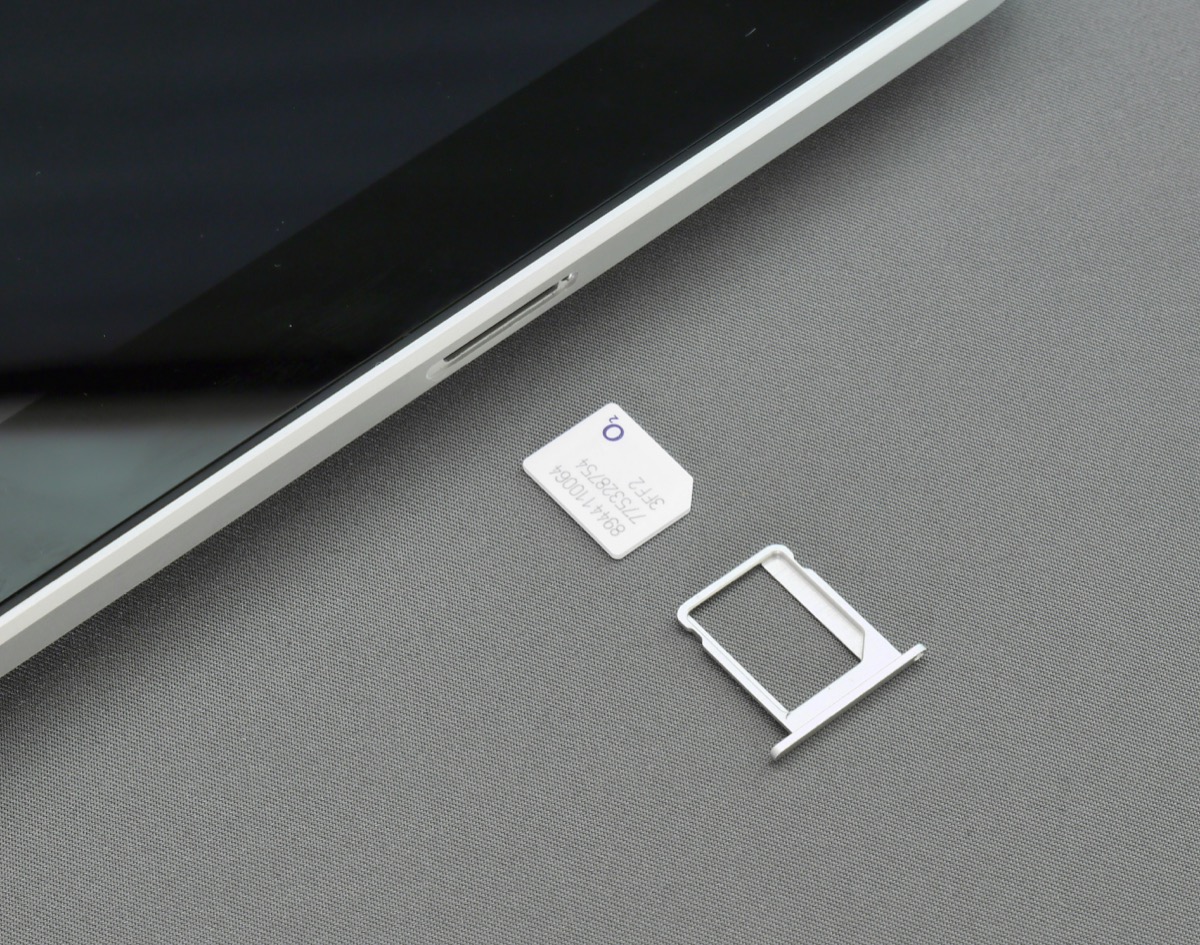
For most foreign travelers, an eSIM is the fastest way online and a local physical SIM is best if you also want a Mongolian phone number. An eSIM installs online before you land with no passport registration; a physical SIM needs your passport but gives you a real number for calls, taxis, and local bookings. Many road-trippers use both.
| eSIM (e.g. Airalo) | Local SIM (Unitel / Mobicom) | |
|---|---|---|
| Best for | Fast data, zero queues | Data + a local phone number |
| Setup | Buy & install online before you fly | Buy on arrival at the airport / in city |
| Passport needed | No | Yes (registration required) |
| Local phone number | Usually no (data-only) | Yes |
| Phone must be | eSIM-compatible & unlocked | Unlocked (any SIM phone) |
| Rough 2026 price | From ~USD 4 | From ~USD 5 incl. data |
Best networks for foreign travelers
Mongolia has four mobile operators — Unitel, Mobicom, Skytel, and G-Mobile — but only two matter for most tourists. Unitel and Mobicom both run modern 4G networks advertised at around 95% population coverage and the widest rural reach, and both sell tourist-friendly prepaid plans and eSIMs. Skytel is a smaller option, and G-Mobile's deep-countryside network uses CDMA technology that most foreign phones can't use.
Unitel
Unitel is the go-to for road trips, with the most extensive coverage across Mongolia including many remote areas. Prepaid tourist data plans start at roughly USD 5 for a few GB valid for several days, and Unitel also offers an eSIM you can activate online for compatible phones.
Mobicom
Mobicom is Mongolia's largest operator with around 1.7 million subscribers and similarly broad coverage. It's a reliable choice if you're mostly around Ulaanbaatar and the central provinces, and it sells both physical tourist SIMs and eSIMs.
Where to buy a SIM card in Mongolia
The easiest place to buy a tourist SIM is the arrivals hall of Chinggis Khaan International Airport (UBN), about 50 km south of Ulaanbaatar, where Unitel and Mobicom run SIM counters near the exit after baggage claim. You can also buy at any operator branch in the city, usually a little cheaper than the airport. Bring your passport — registration is mandatory for physical SIMs.
- At the airport (UBN): fastest — grab a SIM the minute you land, staff usually speak some English.
- Operator stores in Ulaanbaatar: cheapest, widest plan choice, found in malls and main streets.
- Online eSIM before you fly: skip the queue entirely; you're connected the moment you switch on data.
Best eSIM for Mongolia
If your phone is unlocked and eSIM-compatible, an eSIM is the most convenient option. Airalo is the best-known provider for Mongolia, with plans from around USD 4 and data allowances from 1 GB up to 50 GB; it connects through Unitel for strong local coverage. Note that Airalo's Mongolia eSIMs are data-only — no local number — but you can still call and message over WhatsApp, Telegram, or iMessage.
Tip: Install and test your eSIM while you still have home Wi-Fi. You only switch the plan on once you land — but the setup is far less stressful before you're standing in an airport with no signal.
Mobile coverage in the Mongolian countryside
This is the part travelers most often get wrong. You will have a usable signal in towns, soum (district) centres, and along major roads, but you should expect frequent, long dead zones across the open steppe, in mountain valleys, and deep in the Gobi. No operator covers the whole country, so treat rural data as an occasional bonus — not something to navigate or plan by.
Practically, that means coverage tends to follow people: where there's a settlement or a paved highway, there's usually a tower; where there's nothing but grassland and horizon, there's usually no signal. Plan for stretches of several hours completely offline on a typical countryside drive.

What about Starlink in Mongolia?
Starlink is legal and live in Mongolia, and it's the one technology that actually fixes those countryside dead zones. SpaceX launched service on 1 March 2024 under licenses Mongolia granted in 2023, beaming high-speed satellite internet to exactly the remote steppe, mountain, and Gobi areas where mobile towers don't reach. For travelers it shows up in two ways: at fixed camps, and as gear you bring yourself.
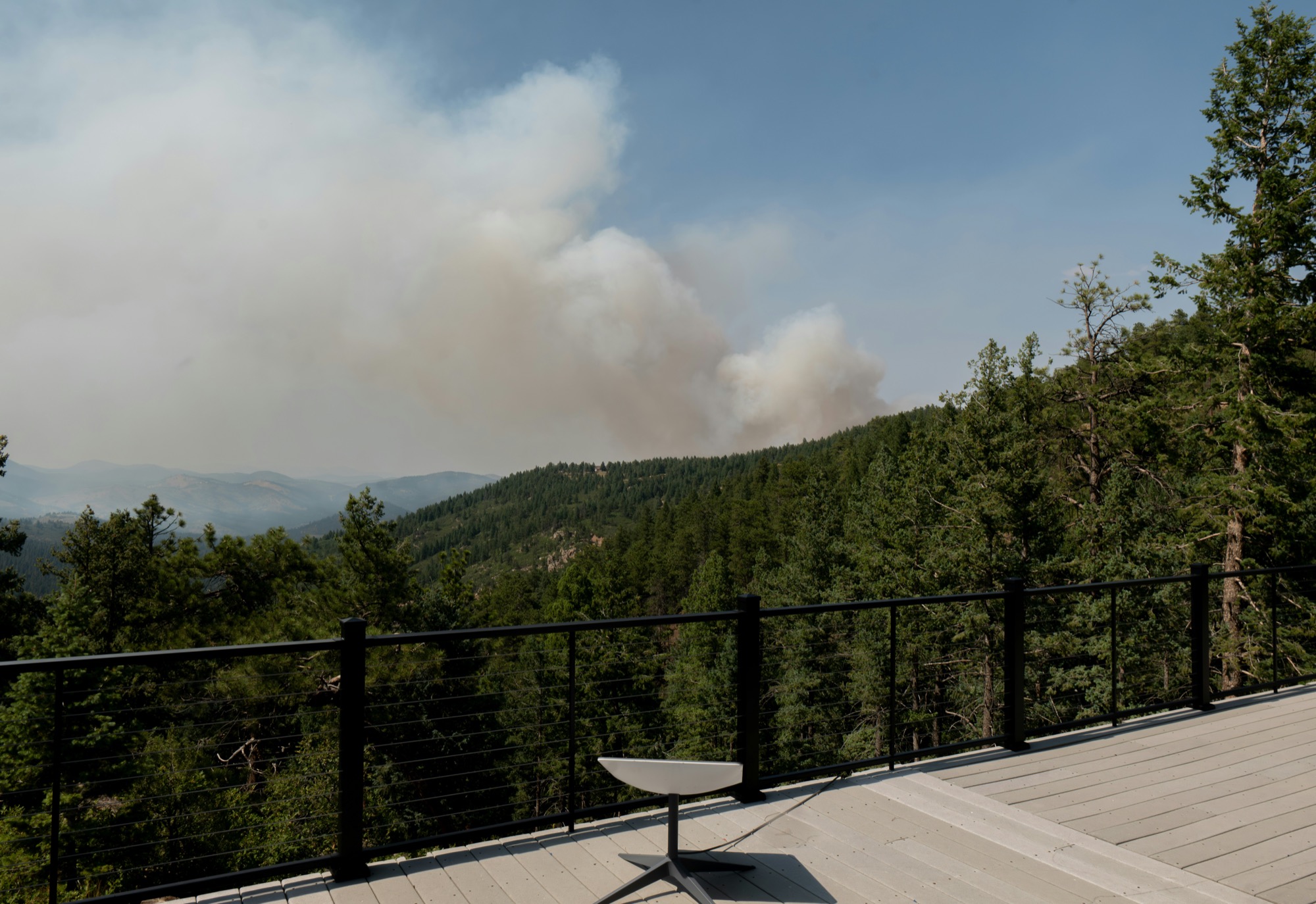
- At remote ger camps & lodges: a growing number of tourist camps now run a Starlink dish for guest Wi-Fi, including places far beyond any cell tower. It's not universal, so if staying connected matters, ask the camp directly before you book.
- Bring your own (overlanders & long trips): a portable Starlink Mini paired with a Roam plan works anywhere on land with coverage, including the open Mongolian countryside. As of 2026, Regional Roam runs about USD 50/month and Global Roam about USD 165/month. You'll need a power source — a portable power station or your vehicle — since the dish draws steady power.
- Worth it for whom? Overkill for a normal 1–2 week trip; a SIM or eSIM plus offline maps is enough. But for remote photography, multi-week expeditions, or anyone who must stay online off-grid, Starlink is the only reliable answer.
One caveat: Starlink Roam used in a country other than your billing address for more than two months may require you to update your registered address, so it suits trips, not permanent relocation.
Staying connected on a self-drive road trip
Because signal comes and goes, the trick is to do your connected tasks before you drive out of range. A few habits make off-grid travel painless:
- Download offline maps in Ulaanbaatar. Maps.me and Google Maps offline regions work without data — set them up on hotel Wi-Fi. See our 15 apps to download before Mongolia.
- Save your route, bookings, and contacts offline, including your Ger camp's location pin and phone number.
- Download a Mongolian language pack in Google Translate for offline use.
- Carry a power bank — searching for signal drains batteries, and rural charging is unreliable.
- Tell someone your plan. With no signal for hours at a time, a shared itinerary is a real safety measure — read more in driving in Mongolia: roads, GPS & fuel.
Hit the road, connected and covered
A local SIM or eSIM solves the data side of your trip. The other half is a vehicle that won't strand you in one of those no-signal dead zones in the first place.
At JOROO, we make renting a 4x4 for the Mongolian steppe completely stress-free: fair, fixed wholesale rates, all contracts and support handled in English, and every vehicle inspected before handover. If you do lose signal mid-route, your JOROO contact is one WhatsApp message away the moment you're back in range.
📱 Ready to plan a trip that works on and off the grid?
Tell us your dates and route, and we'll match you with the right 4x4 or SUV.
Request a Fixed Quote from JOROO →
Frequently Asked Questions (FAQ)
Do I need a SIM card or an eSIM for Mongolia?
Either works. An eSIM (such as Airalo) is fastest and simplest if your phone supports it — you buy and install it online before you land, with no queue and no passport registration. A physical tourist SIM from Unitel or Mobicom is best if you also want a local phone number, and it's easy to buy on arrival at Ulaanbaatar airport.
Where can I buy a tourist SIM card in Mongolia?
You can buy a prepaid tourist SIM from Unitel or Mobicom kiosks in the arrivals hall of Chinggis Khaan International Airport (UBN), or at any of their branches in Ulaanbaatar. Bring your passport, as registration is required for physical SIM cards. Airport prices are usually a little higher than city-centre stores.
Which Mongolian network has the best countryside coverage?
Unitel and Mobicom both advertise 4G reaching around 95% of the population and have the widest rural coverage along main roads and in soum centres. Even so, no operator covers the whole country: expect dead zones in deep valleys, between provinces, and across remote stretches of the Gobi and the steppe.
How much does mobile data cost in Mongolia?
As of 2026, a prepaid tourist SIM card itself costs roughly MNT 3,000–20,000, and a usable data package is roughly MNT 10,000–30,000. Unitel tourist data plans start at about USD 5 for a few GB, and Airalo eSIM plans start around USD 4. Always check the operator's current rates, as prices change.
Will I have internet on a Mongolia road trip?
Only part of the time. You'll usually have a signal in towns and along major roads, but expect long stretches with no data on the open steppe, in mountain valleys, and deep in the Gobi. Download offline maps and translation packs in Ulaanbaatar before you leave, and treat connectivity as a bonus, not a guarantee.
Can I use Starlink in Mongolia?
Yes. Starlink is licensed and has been live in Mongolia since 1 March 2024, providing satellite internet even in remote areas with no cell coverage. Some remote ger camps now offer Starlink Wi-Fi, and travelers on long overland trips can bring a portable Starlink Mini with a Roam plan (around USD 50/month regional or USD 165/month global in 2026). For a typical 1–2 week trip, a local SIM or eSIM is simpler and cheaper.